What is Freon?
Freon, although commonly used as a generic term for refrigerant, is a registered trademark of the Chemours Company and was one of the original brands of refrigerant that revolutionized cooling technology in the 1930s. The name represents a family of compounds that provide safer alternatives to the toxic and flammable substances previously used in refrigeration.
“Is refrigerant the same as Freon?”
Not all refrigerants are Freon. Freon refers to specific branded refrigerant products, though the term has become generalized in everyday conversation.
Let’s look at the key types of freon:
- R-12: A chlorofluorocarbon (CFC) refrigerant once common in automotive air conditioning but phased out due to its severe ozone-depleting properties.
- R-22: A hydrochlorofluorocarbon (HCFC) widely used in residential air conditioning systems for decades, but now being phased out due to environmental concerns.
- R-134a: A hydrofluorocarbon (HFC) that doesn't deplete the ozone layer, commonly used in automotive air conditioning and commercial refrigeration applications.
What Is Freon Used For?
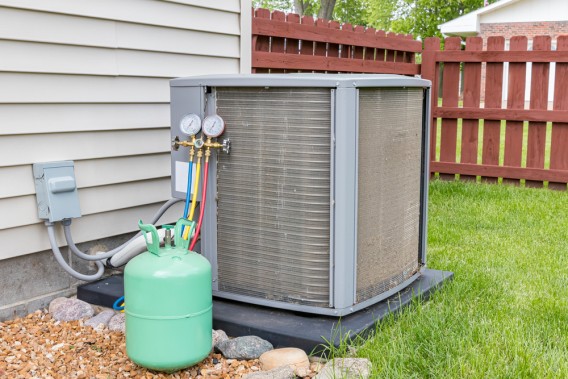
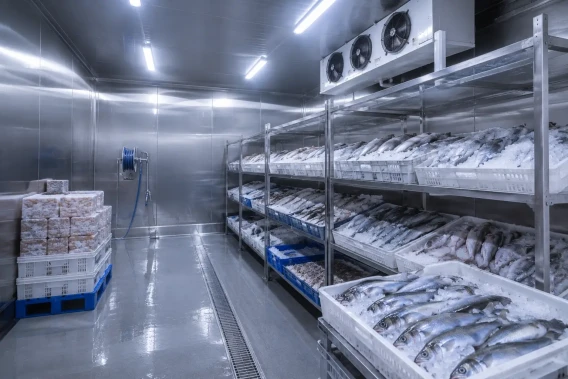
Freon and similar refrigerants are essential components of air conditioning systems, refrigerators, and automobile cooling systems, where they absorb and release heat through a continuous cooling cycle. In traditional cooling systems, the refrigerant undergoes a phase change between liquid and gas states to facilitate heat transfer.
Many older residential HVAC systems use R-22, while newer systems are transitioning to more environmentally friendly alternatives that operate on similar principles. This shift reflects technological and regulatory advancements aimed at protecting the ozone layer and reducing greenhouse gas emissions.
How Does Freon Work in an AC System?
Freon works through a continuous cycle of state changes that transfer heat from inside your home to the outside environment. Here’s a breakdown:
- Compression: The compressor pressurizes the refrigerant (now a gas), raising its temperature and energy level.
- Condensation: Hot, high-pressure refrigerant travels to the outdoor condenser coil, where it releases heat to the outside air and condenses into a liquid.
- Expansion: The refrigerant (now a liquid) passes through an expansion valve, which reduces pressure and causes rapid cooling.
- Evaporation: The cold refrigerant enters the indoor evaporator coil, absorbing heat from your home's air and evaporating back into a gas before returning to the compressor.
This continuous cycle creates the cooling effect you feel from your air conditioner. If freon levels are low due to leakage, the system loses efficiency dramatically, causing higher energy bills and reduced cooling capacity.
Is Freon Dangerous? Health and Safety Risks
Freon poses significant health risks when leaked or deliberately inhaled. If exposed to high concentrations, individuals may experience symptoms including dizziness, headaches, irregular heartbeat, and in severe cases, loss of consciousness or even death.
If you experience a sweet, chloroform-like smell, unexplained illness symptoms, or sudden AC performance issues, evacuate the area immediately. This could indicate a refrigerant leak in your home and requires assistance from a licensed emergency HVAC professional. Do not attempt to investigate or repair the issue yourself.
Is Breathing in a Small Amount of Freon Dangerous?
Yes, breathing in even a small amount of freon can lead to respiratory symptoms like coughing wheezing, shortness of breath, and more. You could also experience heartbeat issues, fainting, or feelings of weakness.
Is Freon Still Used Today?
Modern cooling systems primarily use refrigerants like R-410A or R-32, both of which offer the following advantages:
- Compliance with environmental regulations
- Improved energy efficiency
- Better heat transfer properties
How to Tell If Your System Uses Freon
The easiest way to determine if your air conditioner uses R-22 freon is to check the nameplate or label on its outdoor condensing unit, which will indicate the type of refrigerant used. As a general guideline, systems manufactured before 2010 typically use R-22, while those installed after are much more likely to use R-410A or a similar alternative.
If you’re unable to locate this information, schedule an inspection with a licensed HVAC technician. These air conditioning professionals can identify the refrigerant type and help you understand your options for upgrading to a system that doesn’t run on R-22 freon.
Freon Maintenance Tips for Homeowners
Regular AC maintenance is essential for preventing refrigerant leaks and ensuring optimal operation. Systems should be professionally inspected before every cooling season.
Warning signs that your system may be leaking or low on refrigerant include:
- Reduced cooling capacity
- Warm air is blowing from vents
- Ice formation on refrigerant lines or evaporator coils
- Hissing sounds near the unit
- Unexplained increase in energy bills
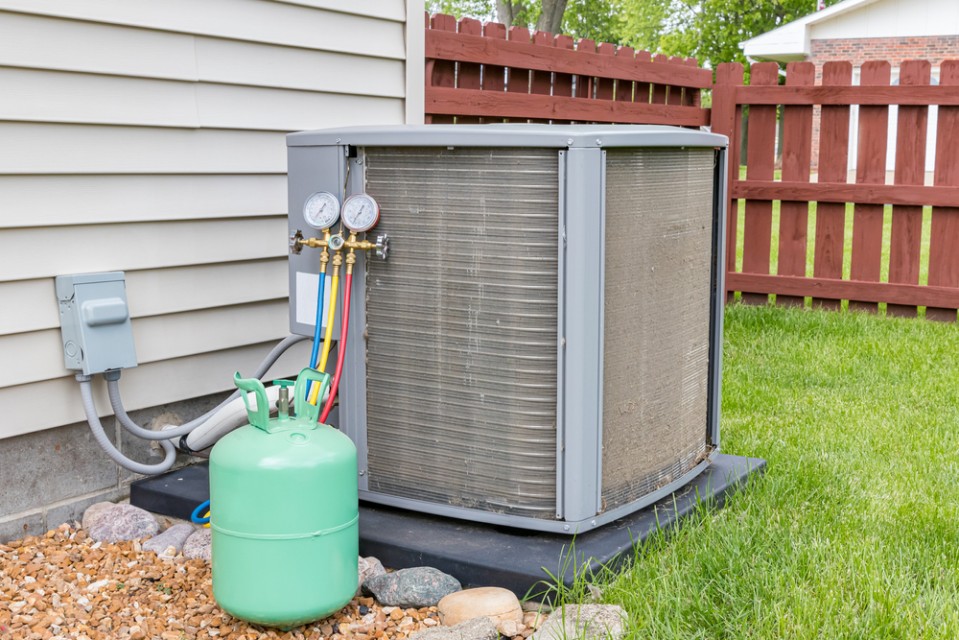
If you notice any of these symptoms, contact a licensed HVAC professional immediately. Remember: refrigerant handling requires specialized equipment and certification. It is illegal and dangerous for homeowners to attempt to add or handle refrigerant themselves, regardless of which type your system uses.
Freon Alternatives and the Future of Cooling
The HVAC industry has adopted newer refrigerants, such as R-410A and R-32, which offer significant advantages over traditional Freon, including improved energy efficiency, enhanced heat transfer capabilities, and compliance with environmental regulations. When considering a new cooling system, it's wise to invest in technology compatible with current and anticipated refrigerant standards to avoid costly premature replacements.
FAQ
1. Is refrigerant the same as Freon?
No, Freon is a brand name for specific refrigerants manufactured by The Chemours Company, while "refrigerant" is the general term for any chemical substance used in cooling systems, including many non-Freon alternatives, such as R-410A and R-32.
2. Can Freon be refilled?
Yes, existing systems that use R-22 freon can still be recharged by certified HVAC technicians using recycled or previously produced supplies. The costs for this service have increased significantly since the production ban and are expected to continue rising as availability diminishes.
3. Is Freon flammable?
No, traditional Freon refrigerants like R-22, R-404a, R-407c are non-flammable, which was one of their primary safety advantages when they were first introduced.
Get Expert Help to Future-Proof Your Cooling System Today
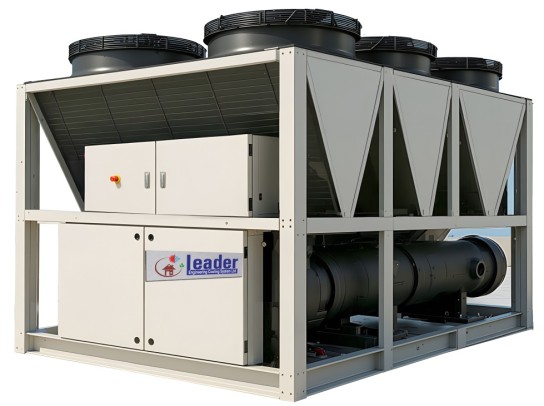
Don't wait until your aging freon-based system leaves you without cooling on the hottest day of summer. Now that we’ve answered the question, “What is Freon?” contact Leader Engineering Cooling System Limited Heating, Cooling, and Electric today for a comprehensive system inspection that will identify your current refrigerant type and evaluate whether you need an AC upgrade.
Our certified professionals can help determine if you qualify for energy-efficient system rebates and provide a detailed analysis of potential long-term savings from upgrading to a modern, environmentally responsible cooling system. By taking proactive steps now, you can ensure comfort for your family while contributing to a more sustainable future.
Call Leader Engineering Cooling System Limited, today to schedule your consultation and take the first step toward a smarter, more efficient home cooling solution.