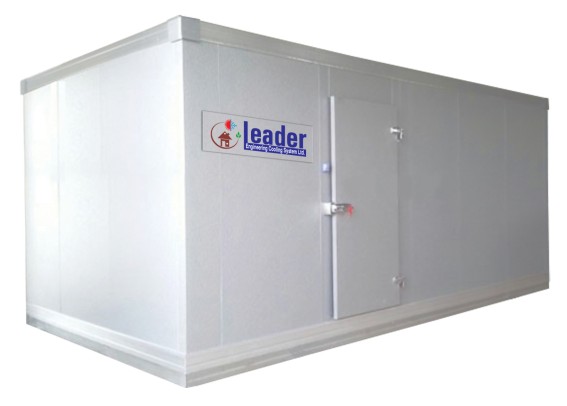
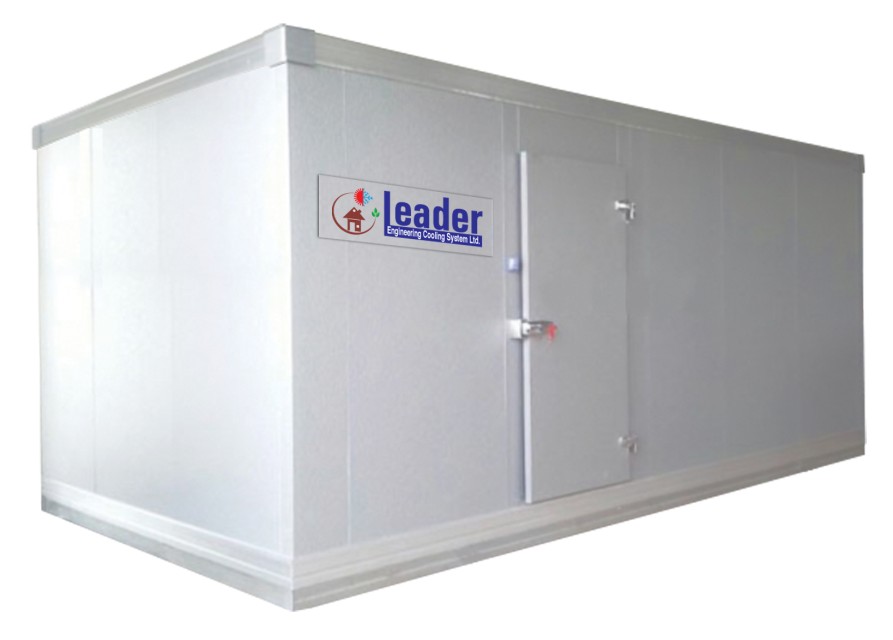
A cold room is a purpose-built, temperature-regulated space used to store goods that are sensitive to heat, such as food, medicines, flowers, and industrial chemicals. Unlike standard refrigeration, a cold room offers large-scale, customizable cooling solutions designed for commercial and industrial use. These rooms maintain precise, consistent temperatures below ambient levels to preserve product integrity.
Cold rooms are commonly found in food processing, pharmaceuticals, and logistics. They can be used as a chiller room, freezer room, or general cold storage room, depending on the required temperature range. The installation and design of these systems vary based on industry needs.
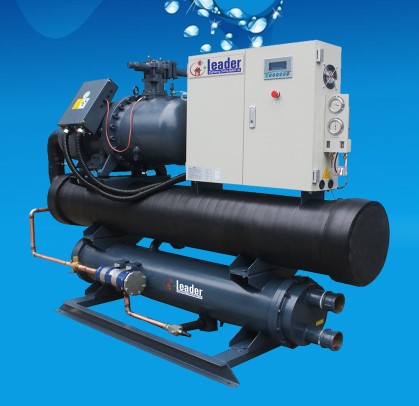
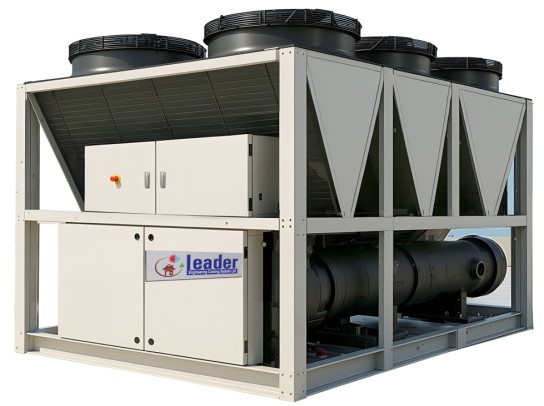
The core of its operation lies in the refrigeration cycle, which removes heat from the interior using refrigerant gases. A compressor compresses the gas, which then travels through a condenser where it releases heat to the outside air. The cooled refrigerant flows into an evaporator inside the cold room, absorbing heat from within and lowering the internal temperature.
Insulated panels built with materials like polyurethane foam (PUF) or polyisocyanurate (PIR) are critical to minimizing thermal exchange. Together with air-tight doors and temperature sensors, these features ensure a highly efficient and controlled cooling environment.
Cold rooms can operate in different temperature range, depending on product, system and insulation. The selection depends on what is stored and regulatory standards. Choosing the right temperature is critical to avoid spoilage and energy waste.
Why Use a Cold Room?
Using a cold room ensures quality, extends shelf life, and prevents spoilage. Whether you're managing a commercial kitchen, a supermarket, or a pharmaceutical warehouse, maintaining the correct temperature is non-negotiable. Cold storage rooms are ideal for storing large quantities of temperature-sensitive goods. They're more efficient and adaptable than traditional refrigerator rooms.
Cold rooms also help meet regulatory compliance. For industries where hygiene and safety are paramount, cold rooms provide a reliable, controlled environment. Additionally, modular cold rooms offer flexibility. They can be expanded, relocated, or redesigned according to your operational requirements.
Cold rooms are not just a convenience — in many industries, they are a necessity. Here's why:
- Shelf-Life Extension: By slowing microbial and enzymatic activity, cold rooms preserve freshness and safety.
- Cost Savings: Bulk buying becomes feasible when long-term storage is possible, reducing supply chain frequency and cost.
- Waste Reduction: Minimizes product spoilage and financial losses.
- Consistent Compliance: Cold storage ensures adherence to health regulations such as HACCP, FDA, WHO guidelines, and more.
- Operational Flexibility: Modular cold rooms can be reconfigured, expanded, or relocated as your needs evolve.
- 24/7 Monitoring: Integrated control systems provide remote access and alerts for quick interventions. For businesses like restaurants, pharmaceutical warehouses, meat processing facilities, and florists, a cold room is a central component of operational success.
Types of Cold Rooms
Cold rooms can be classified by temperature, structure, and use case.
By Temperature Range:
- Chiller Rooms (0°C to +8°C): Used for produce, drinks, dairy, and prepared foods.
Freezer Rooms (-18°C to -25°C): Suitable for long-term frozen storage of meats, seafood, and desserts. - Ultra-Low Temperature Rooms (-40°C and below): Necessary for pharmaceuticals and research facilities.
- Blast Chillers / Freezers: Rapidly cool products from hot to safe temperatures to prevent bacterial growth.
By Structure:
- Walk-In Cold Rooms: Accessible, mid-size units ideal for kitchens, labs, and foodservice.
- Industrial Cold Stores: Large-scale warehouses used in logistics, distribution, and food manufacturing.
- Custom-Built Rooms: Tailored to unique spaces such as containers, underground levels, or rooftop installations.
Temperature Zones Within a Cold Room
Advanced cold rooms may feature multi-zone temperature control, allowing different areas to maintain unique conditions. This is especially valuable in distribution centers handling a mix of frozen and chilled goods.
- Zoned storage: Reduces cross-contamination risks and increases operational efficiency.
- Defrost Cycles: Timed or demand-based to minimize energy waste while preventing ice build-up on evaporators.
Cold Room Features and Add-Ons
Modern cold rooms are equipped with numerous innovations to support safety, performance, and sustainability:
- Humidity Control Systems: Maintain specific moisture levels to protect fresh produce or pharmaceuticals.
- Motion Sensor Lighting: Cuts energy consumption by activating only when needed.
- Automatic Door Closers: Improve temperature stability.
- Air Curtains or Strip Curtains: Reduce heat exchange during door openings.
- Remote Monitoring: Allows temperature, humidity, and energy usage to be tracked via mobile apps or cloud-based platforms.
- Security Features: Access control systems prevent unauthorized entry, particularly in high-value or medical storage environments.
What Are the Components of a Cold Room?
Every efficient cold room consists of several integrated components:
- Insulated Panels: Form the structure and maintain thermal consistency.
- Compressor: The "engine" that drives the cooling process.
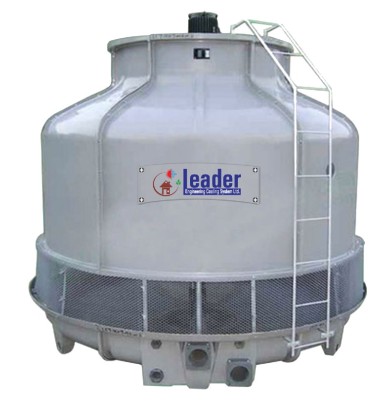
- Condenser Unit: Releases absorbed heat to the exterior environment.
- Evaporator Coil: Located inside the room to lower air temperature.
- Control Panel: Enables monitoring and adjustment of all operational parameters.
- Shelving & Racks: Optimize space usage and air circulation.
- Drainage System: Removes condensation and defrost water.
Energy Efficiency in Cold Rooms
Given that refrigeration is energy-intensive, smart cold rooms are designed for maximum efficiency:
- High R-Value Insulation: Reduces heat gain and operational load.
- Inverter Compressors: Adapt power usage based on demand, leading to 20–40% energy savings.
- Defrost Optimization: Prevents energy waste during defrost cycles.
- Night Setbacks: Slightly increase temperatures during non-peak hours to reduce load.
- Energy Monitoring Systems: Track consumption and flag inefficiencies in real time.
Investing in energy-efficient systems pays off with lower electricity bills and a smaller environmental footprint.
Installation and Design Considerations
Designing a cold room involves more than picking a size and temperature:
- Site Preparation: Floor leveling, drainage planning, and accessibility should be addressed first.
- Load Calculations: Cooling requirements must be calculated based on room volume, insulation type, and number of door openings.
- Redundancy Planning: Backup generators or dual compressor systems may be needed for critical storage.
- Climate Zone Analysis: External temperatures affect energy use; insulation thickness may vary based on geography.
- Regulatory Approval: Some industries require documented proof of performance and calibration.
Industry-Specific Applications
Cold rooms are used in nearly every industry:
Food and Beverage
- Meat aging
- Fish preservation
- Beverage chilling
- Dairy processing
Pharmaceuticals
- Vaccine storage
- Cold-chain logistics
- Hospital inventory
- Research labs
- Cold-chain management for pharma products
Floriculture
- Storage of cut flowers, seeds, and bulbs
- Control of ethylene gas levels to extend shelf life
Chemical and Industrial
- Safe storage of volatile or temperature-sensitive compounds through industrial process cooling and chemical storage solutions.
- Adhesives, paints, or lab materials with specific shelf requirement
Future Trends in Cold Storage
The cold storage industry is evolving quickly to meet the demands of sustainability, automation, and global logistics. Key trends include:
- IoT-Enabled Cold Rooms: Real-time data, predictive maintenance, and AI optimization.
- CO2 and Natural Refrigerants: Replacing synthetic HFCs to meet environmental goals, while fueling the debate around natural vs safe refrigerant — finding truly eco-friendly solutions.
- Mobile Cold Rooms: Trailer-based units for events, medical outreach, and emergency response.
- Zero-Energy Cold Rooms: Integrating solar panels and battery backups.
- Automated Inventory Systems: Reduce labor costs and improve traceability.
What Can Be Stored in a Cold Room?
Cold rooms are versatile and support a wide range of applications. They are used to store:
- Food and beverages: Dairy, meat, seafood, fruits, vegetables, frozen meals.
- Pharmaceuticals: Vaccines, medicines, and lab reagents requiring stable temperatures.
- Floral products: Flowers and plants that need cool storage.
- Industrial materials: Temperature-sensitive chemicals and equipment.
Whether you're operating a commercial kitchen or managing a large distribution warehouse, cold rooms provide the best conditions for preserving sensitive goods. With proper design, installation, and equipment, you get top-tier performance and unmatched dependability
Conclusion
A cold room is much more than a larger fridge — it's a precision-controlled environment tailored to protect sensitive, high-value goods. With increasing pressure to reduce carbon footprints and improve operational efficiency, today's cold rooms rely on industrial turnkey cooling and cold-storage solutions to stay smarter, greener, and more reliable than ever.
Whether you're building from scratch or upgrading an old system, understanding the full scope of cold room technology will help you make better, future-proof decisions.